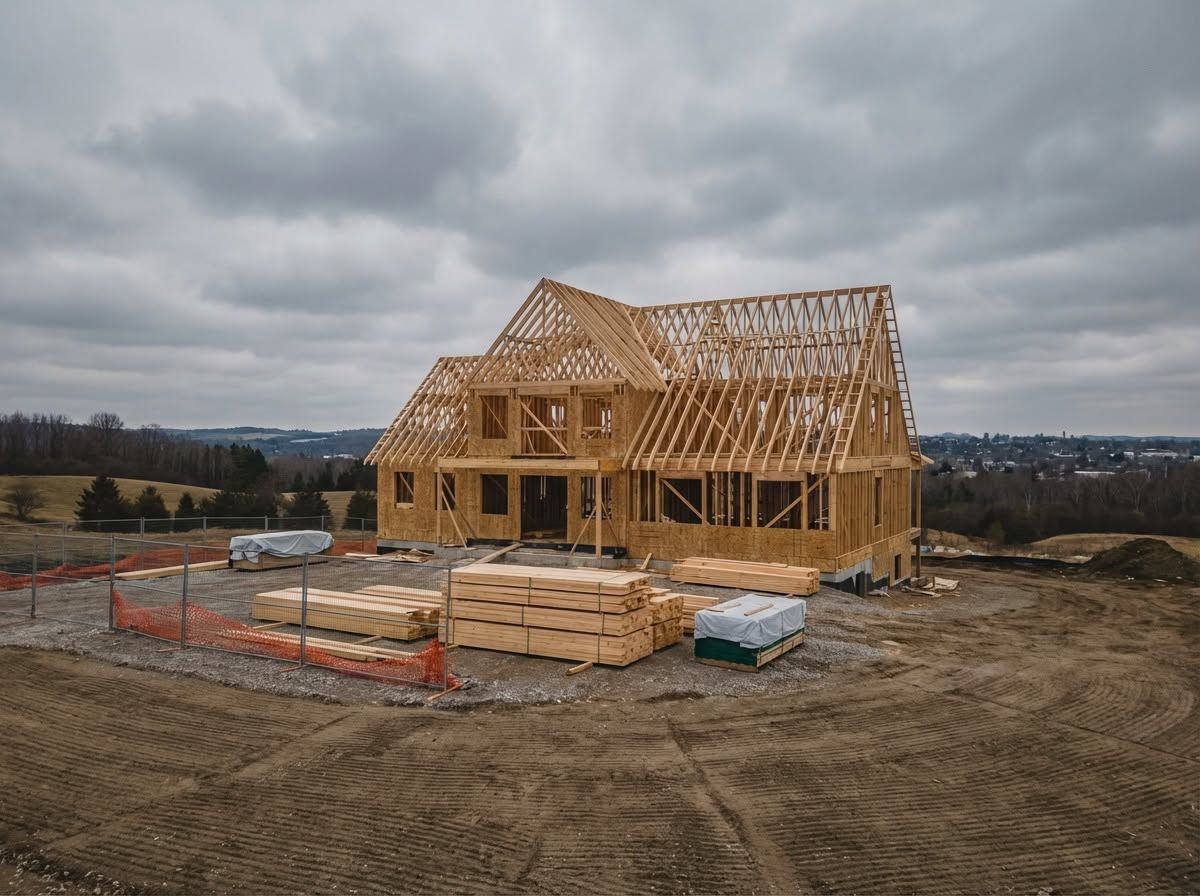
Your 5-Step Custom Home Guide
Building a custom home in Ontario gives homeowners the freedom to create a property that fits their lifestyle, preferences, and long-term plans. Unlike purchasing an existing home, custom construction allows you to make decisions about the layout, materials, features, energy efficiency, and overall design from the beginning.
However, a successful custom home project requires careful planning at every stage. From choosing the right lot to completing the final walkthrough, each decision can influence the project's timeline, quality, and budget. Working with an experienced Custom Home Builder in GTA can help homeowners navigate these stages with greater confidence.
Here are five important steps to consider when planning a custom home in Ontario.
1. Define Your Vision
The first step is to establish a clear vision for your future home. Before discussing detailed floor plans, think about how you want the property to function and what features are most important to your household.
Consider your:
- Lifestyle and daily routines
- Preferred architectural style
- Number of bedrooms and bathrooms
- Kitchen and entertaining needs
- Storage requirements
- Home office needs
- Outdoor living preferences
- Energy-efficiency goals
- Accessibility requirements
- Long-term family needs
It is also helpful to separate must-have features from optional upgrades. This gives you a clearer starting point when making design and budgeting decisions.
Your initial budget should include more than the basic construction cost. Depending on the project, expenses may also involve architectural services, engineering, permits, site preparation, utility connections, landscaping, and interior finishes.
Starting with clear priorities can make the rest of the building process more organized.
2. Choose and Assess Your Lot
The lot you choose can have a major influence on the design and construction of your home. A property may look perfect initially, but site conditions can introduce challenges that affect the project.
Before committing to a lot, consider:
- Zoning and municipal requirements
- Property setbacks
- Lot dimensions
- Site access
- Grading and drainage
- Soil conditions
- Utility availability
- Existing structures
- Environmental considerations
- Construction access
A professional assessment can help identify potential issues before they become expensive surprises.
For example, difficult grading may affect drainage and excavation, while limited site access could make material delivery or construction logistics more complicated. Understanding these factors early allows the design and construction team to plan accordingly.
3. Design and Plan Your Home
Once your vision and lot are established, the next step is to turn your ideas into detailed, build-ready plans.
This stage may involve architects, engineers, designers, and builders working together to develop a home that is both attractive and practical. Good coordination at this point can help reduce design conflicts and unnecessary changes once construction begins.
Your plans may cover:
- Floor plan layouts
- Room sizes
- Exterior design
- Window and door placement
- Kitchen and bathroom layouts
- Lighting
- Flooring
- Cabinetry
- Heating and cooling
- Insulation
- Energy-efficient features
- Structural requirements
Understand the Key Factors Affecting Custom Home Costs
Before finalizing your design, it is important to understand the key factors affecting custom home costs. The price of one custom home cannot necessarily be applied to another because every property and project has different requirements.
Some factors that can influence costs include:
- Overall home size
- Architectural complexity
- Lot conditions
- Foundation requirements
- Structural materials
- Windows and doors
- Interior finishes
- Kitchen and bathroom selections
- Energy-efficiency features
- Landscaping
- Labor and trade requirements
Making major design decisions early can provide a clearer picture of where your budget is going and help you prioritize features that matter most.
Research Current Construction Pricing
Homeowners planning a project in the current market can use a 2026 custom home cost guide as a starting point for understanding the expenses that may be involved in a new build.
A guide can help homeowners become familiar with common cost categories, but actual pricing will depend on the property's location, design, materials, specifications, site conditions, and level of customization. A project-specific estimate is ultimately more useful when making financial decisions.
4. Build with Quality in Mind
Once the plans are finalized and construction begins, coordination becomes one of the most important parts of the project. Custom homes involve numerous trades, materials, inspections, and construction stages that need to work together.
A quality-focused construction process includes:
- Coordinating skilled trades
- Following approved plans
- Selecting suitable materials
- Managing construction schedules
- Monitoring workmanship
- Conducting inspections
- Maintaining quality control
- Addressing issues promptly
Communication also plays an important role. Homeowners should receive regular updates about construction progress, upcoming decisions, scheduling, and any changes that may affect the project.
Quality should be monitored throughout construction rather than left until the final inspection. Structural components, insulation, windows, mechanical systems, finishes, and other elements should each receive appropriate attention during their respective stages.
5. Complete and Enjoy Your Home
Reaching the final construction stage is exciting, but there are still important steps to complete before moving in.
The final stage may include:
- Completing required inspections
- Addressing outstanding work
- Resolving deficiencies
- Reviewing finishes and installations
- Conducting a detailed final walkthrough
- Confirming required documentation
- Preparing the home for occupancy
A final walkthrough allows homeowners and the building team to identify items that may need attention. Completing these details before move-in can help ensure the home is ready for everyday use.
Once the necessary inspections, corrections, and completion requirements have been handled, homeowners can finally enjoy the space they planned from the beginning.
Why Is Planning Important When Building a Custom Home?
Custom home construction involves many connected decisions. A change to the design can affect materials, labor, scheduling, and costs. That's why planning before construction begins can make a significant difference.
A structured process can help homeowners:
- Establish realistic expectations
- Make informed design decisions
- Identify site challenges early
- Develop a practical budget
- Coordinate professionals
- Reduce unnecessary changes
- Maintain better communication
- Track project progress
The goal isn't simply to construct a beautiful house. A well-planned custom home should also be functional, durable, comfortable, and suited to the homeowner's needs.
Frequently Asked Questions
Q. What is the first step in building a custom home?
A. The first step is defining your vision. Establish your lifestyle needs, preferred design, must-have features, long-term goals, and preliminary budget before moving into detailed planning.
Q. What should I check before buying a lot?
A. Review zoning, setbacks, grading, drainage, soil conditions, utilities, access, and municipal requirements. A professional site assessment can help identify potential construction challenges.
Q. What are the key factors affecting custom home costs?
A. Home size, design complexity, lot conditions, foundation requirements, materials, finishes, labor, energy-efficiency features, and landscaping can all influence the overall project cost.
Q. How can I prepare for the cost of a custom home?
A. Start with a realistic project budget based on your specific lot, design, specifications, and priorities. Current construction cost information can provide useful context, but a project-specific estimate is more reliable.
Q. Why should I work with a custom home builder?
A. An experienced builder can help coordinate design professionals, trades, materials, scheduling, inspections, and construction details while keeping the project aligned with your goals.
Conclusion
Building a custom home in Ontario is a significant investment, but approaching the project in clear stages can make the process easier to manage. Defining your vision, assessing your lot, developing detailed plans, maintaining construction quality, and completing a thorough final walkthrough are all essential parts of the journey.
Understanding the key factors affecting custom home costs before construction begins can also help you make informed decisions and establish realistic expectations. With thoughtful planning, current cost research, and the support of an experienced Custom Home Builder GTA, you can create a home that reflects your lifestyle while providing lasting comfort, functionality, and value.